



Since 1940
The House of Extraordinary Fabrics
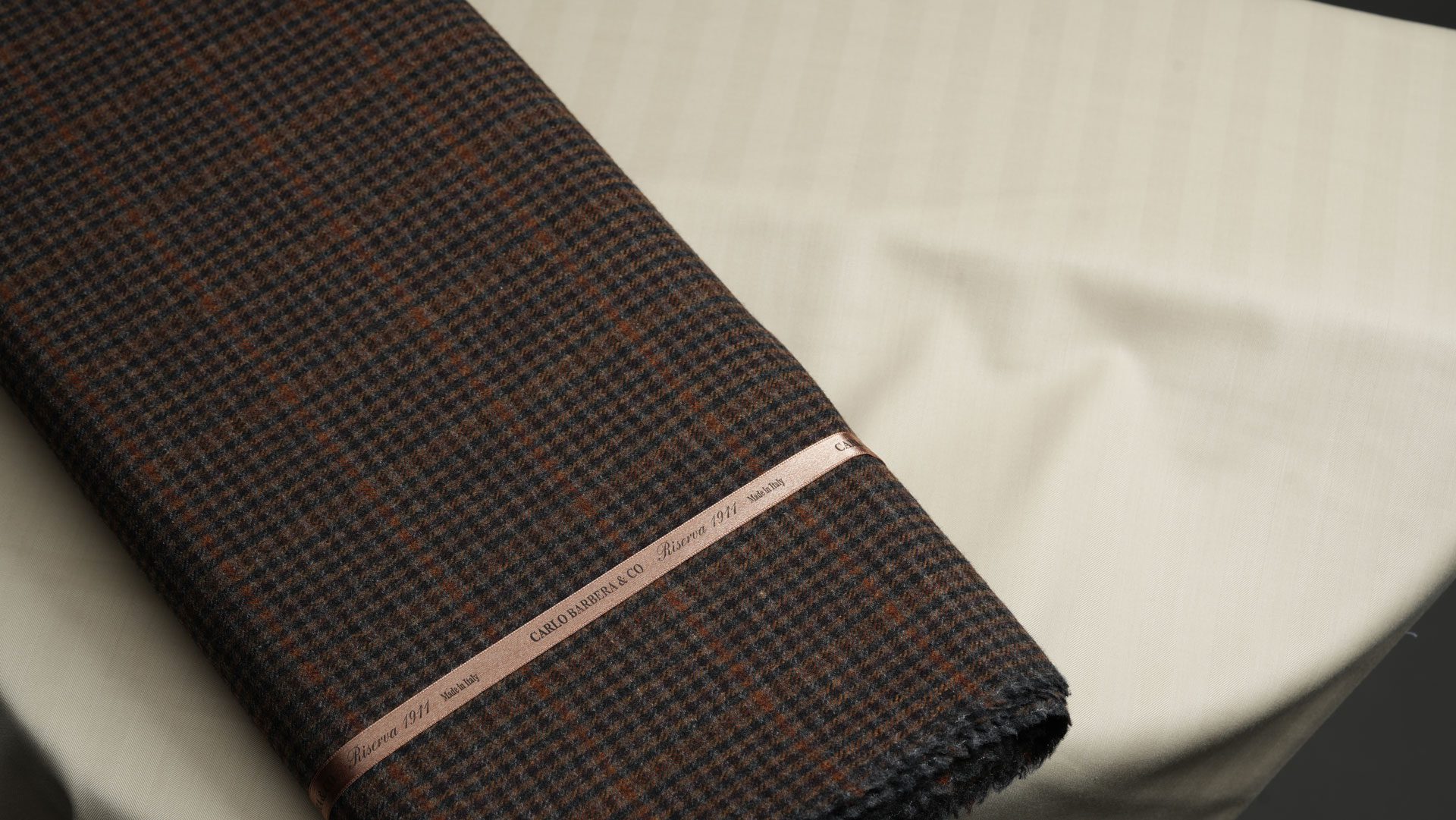
Inside the Lapels bespoke fabric library: baby cashmere, vicuña and the finest cashmere wool fabrics on earth.
extraordinary fabrics
The house of extraordinary fabrics – baby cashmere, vicuña & other rare fabrics
Baby cashmere and other rare fabrics, chosen with purpose and crafted for one individual.
Some fabrics begin their story long before they ever reach a tailor’s table.
They are shaped by nature, by time, and by traditions that have remained unchanged for generations. Baby cashmere and vicuña belong to this rare category, materials that cannot simply be produced on demand, because their scarcity is part of what makes them remarkable.
Only once these fibres have completed their journey do they reach the hands of craftsmen who understand how to transform them into something personal.
At Lapels Bespoke, these rare fabrics are not preserved as pieces to admire from a distance. They are selected, cut, basted, and finished into garments created for one person, measured, refined, and made to be worn in a way no other garment can replicate.
unique fabrics
Why baby cashmere and other unique fabrics remain so rare
Some fabrics are expensive because they are difficult to produce. Others are rare because nature allows them to exist only in limited quantities.
Baby cashmere is one of them. Collected just once from the undercoat of a young Hircus goat, each animal produces only 30 to 80 grams of this exceptionally fine fibre. That fleeting harvest is what makes baby cashmere one of the rarest natural materials used in tailoring.
Vicuña is rarer still. Sourced from a protected wild animal in the Andes, its fibre can only be collected under strict conservation regulations, with each animal shorn no more than once every two years.
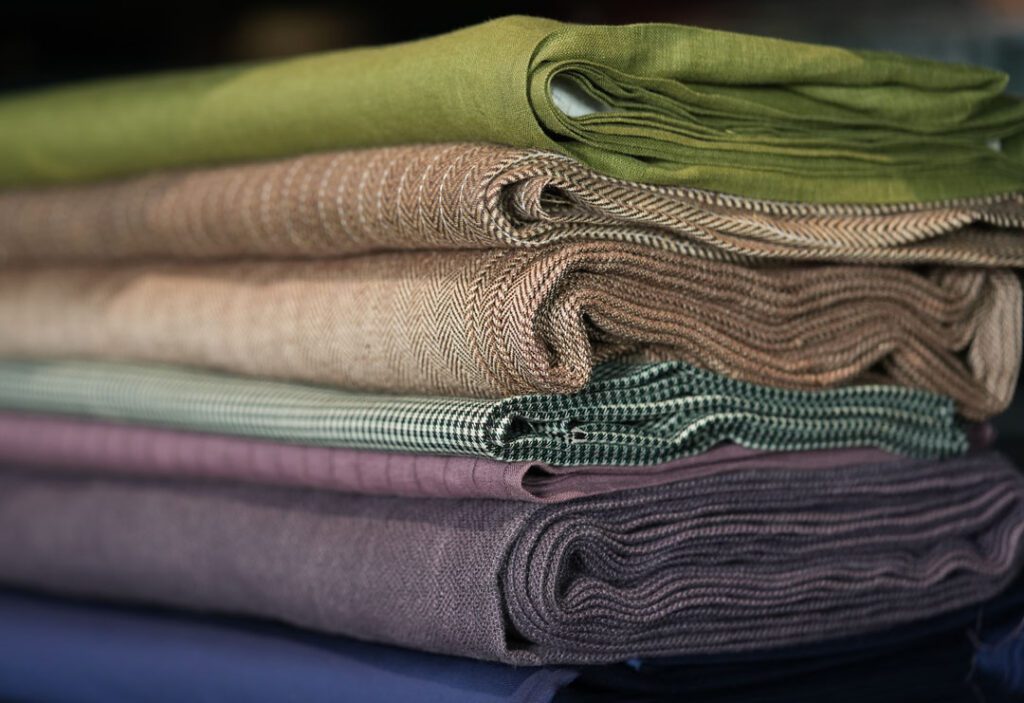
These materials are valued not because they carry a prestigious name, but because they cannot be hurried, replicated, or produced on demand. For bespoke tailoring, baby cashmere is typically blended with fine wool, creating a cashmere wool fabric that offers remarkable softness while retaining the structure a beautifully made garment requires.
understanding the difference
Baby cashmere vs cashmere wool fabric
The difference between baby cashmere and cashmere wool fabric is not simply one of rarity. It is about how the cloth feels, how it behaves, and the experience of wearing it.
Baby cashmere fibres measure around 13 to 15 microns, while standard cashmere fibres are typically between 15 and 19 microns. It is a small difference on paper, but one that becomes immediately noticeable when the fabric is held against the skin.
The rarity is equally remarkable. A young Hircus goat produces just 30 to 80 grams of baby cashmere once in its lifetime. Adult goats produce significantly more fibre each year, making standard cashmere far more readily available.
For bespoke tailoring, the choice depends on the garment you wish to create. Cashmere wool fabric offers the structure and resilience needed for beautifully tailored jackets and suits, while baby cashmere is often reserved for pieces where its extraordinary softness can be appreciated most.
During your consultation, we’ll help you choose the cloth that feels right not only in your hands but also in the way you intend to wear it.
Vicuña: a fabric shaped by nature and time
Vicuña is rare because nature only allows it to exist in limited quantities.
Found high in the Peruvian Andes, this wild relative of the alpaca lives at elevations above 4,000 metres. Unlike cashmere, which comes from farmed animals, vicuña is gathered under strict conservation laws designed to protect a species that was once close to extinction.
Each animal can only be shorn under licence, often no more than once every two years. The result is a cloth that cannot simply be produced when needed or ordered without consideration. Availability follows nature’s rhythm.
For those who choose vicuña, the attraction is not only its remarkable softness. It is the knowledge that the fabric carries a story; one shaped by the landscape where it originates, the care taken to preserve it, and the craftsmen who understand how to transform it into a garment worthy of its journey.
How we work
How Dubai’s men’s suit tailors work with baby cashmere
A rare fabric is only as good as the way it is understood.
Baby cashmere is admired for its exceptional softness, but pure baby cashmere is rarely used for a tailored jacket. The fibre is delicate and does not provide the structure required for a garment designed to be worn throughout the day.
Instead, craftsmen often blend cashmere with fine wool, combining the softness and richness of cashmere with the strength and resilience needed for bespoke tailoring. The result is a cashmere wool fabric that feels refined while maintaining the balance and shape of a well-made suit.
For Dubai’s climate, the choice becomes even more considered. Lighter cashmere-wool blends, paired with breathable constructions, allow the garment to perform comfortably across different environments, from air-conditioned interiors to warmer outdoor settings.
The right cloth is not simply the rarest one available. It is the one that suits the way you live, the occasions you attend, and the experience you want from the garment.
From bolt to bespoke
How a fabric becomes your garment
A rare fabric’s journey does not end when it leaves the mill.
That is where another story begins.
The fabric you choose, whether baby cashmere, vicuña, or a carefully balanced cashmere-wool blend, must then be understood by the craftsmen who will transform it. Its weight, movement, texture, and character all influence how the final garment is created.
From the first measurements to the final fitting, every stage is shaped around the person who will wear it. The fabric is cut by hand, refined through fittings, and adjusted until the balance feels completely natural.
The result is not simply a garment made from an exceptional fabric. It is a garment where the material, the craftsmanship, and the individual wearing it all come together.
For clients building a complete wardrobe, these same fabrics can extend beyond tailoring, from a cashmere-wool suit paired with bespoke shirts to a collection created around the way they live and dress.
Caring for baby cashmere and other rare wools
Rare fabrics reward proper care with decades of wear. Baby cashmere and vicuña should be dry cleaned only when necessary and hand washed in cool water with a gentle detergent when washing is required.
Never wring the fabric. Lay it flat to dry in its natural shape, store it folded rather than hung, and use cedar rather than chemical. mothballs, which can damage the lanolin that keeps the fibre supple.
understanding the difference
The reputable mills behind our fabrics
Before a fabric reaches our atelier, it has already passed through generations of knowledge from the mills that have spent decades perfecting the balance between fibre, weave, texture, and performance.
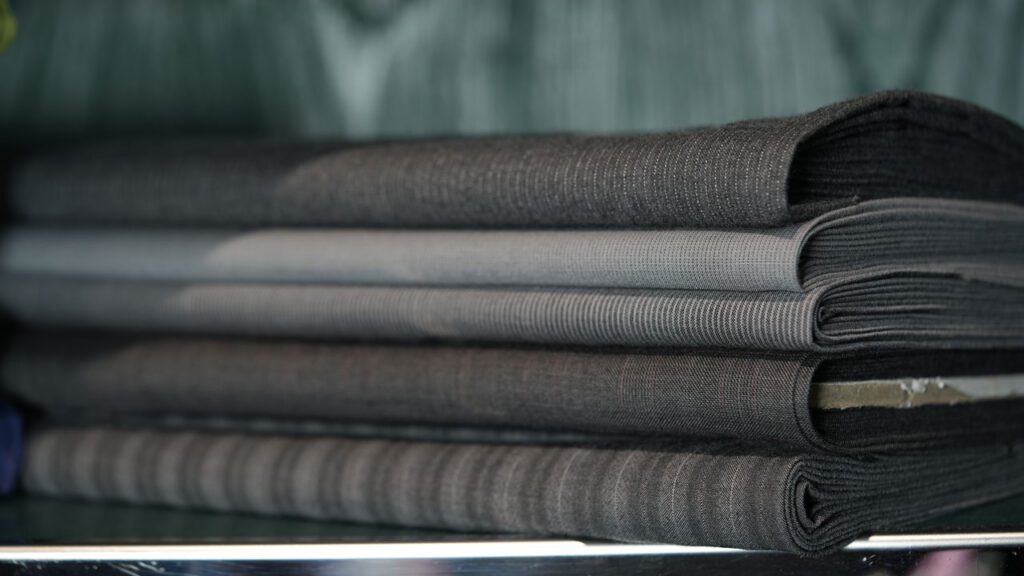
We work with some of the most respected names in fine textile mills, including Scabal, Ermenegildo Zegna, Huddersfield, Vitale Barberis Canonico’s dobby weaves and Loro Piana, the world’s foremost cashmere processor. Each brings its own expertise: from superfine wools and cashmere blends to British linens and specialised weaves developed over generations.
The choice of mill is only the beginning. The more important question is whether the cloth is right for the person, the occasion, and the way the garment will be worn. That is where experience matters: understanding not only the reputation behind a fabric but also the character it will bring to the finished garment.
Visit us
Some fabrics can only be understood once you’ve held them in your hands
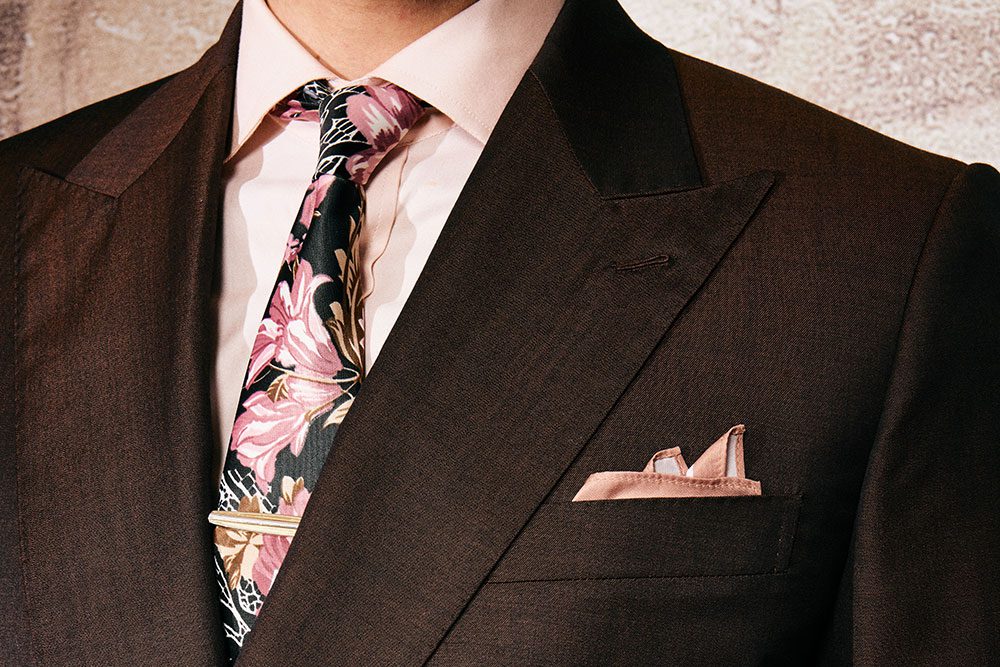
Every fabric we work with can be seen, felt and discussed in person at our atelier inside The Palace Downtown Hotel, Sheikh Mohammed Bin Rashid Boulevard, Downtown Dubai.
To begin, call +971 58 526 7789, write to clientrelations@lapelsbespoke.com or book a private appointment.
Client experiences
Frequently Asked Questions
Why is baby cashmere so expensive?
It is a question we hear often when clients first discover baby cashmere.
The answer comes down to rarity. Baby cashmere is collected only once from the undercoat of a young cashmere goat before its first year. Each animal produces only a small amount of usable fibre, and separating it requires time and patience from the herders who work with it.
The value is not created simply by the name of the fabric. It comes from how naturally scarce the fibre is, the softness it provides, and the experience of wearing something that very few people will ever own.
Can I request a specific mill for my fabric?
Absolutely. Clients are welcome to request a particular mill or fibre composition during their consultation.
Many clients come to us already knowing a fabric house they admire, while others are discovering these mills for the first time. Our role is to guide you through the options and help you understand how each cloth behaves, how it feels, how it wears, and whether it is right for the garment you are creating.
Where availability allows, we are happy to source specific cloths based on your requirements.
Is cashmere wool fabric suitable for Dubai’s climate?
It can be, provided the cloth is chosen correctly.
We would not recommend a heavy winter cashmere for Dubai’s climate. However, lighter cashmere-wool blends can work beautifully when paired with the right weight and construction.
During your consultation, we consider how and where you intend to wear the garment, whether it will be worn in air-conditioned interiors, during warmer months, or for evening occasions and recommend a blend that gives you the softness of cashmere while maintaining comfort throughout the day.
What is the difference between cashmere and cashmere wool fabric?
Think of cashmere as the fibre itself.
Cashmere wool fabric, on the other hand, is usually a blend of cashmere and fine wool. The wool provides the structure and durability needed for tailoring, while the cashmere brings its distinctive softness, warmth, and luxurious handle.
For bespoke garments, this combination often gives you the best of both worlds: a cloth that feels refined while still performing beautifully when worn.